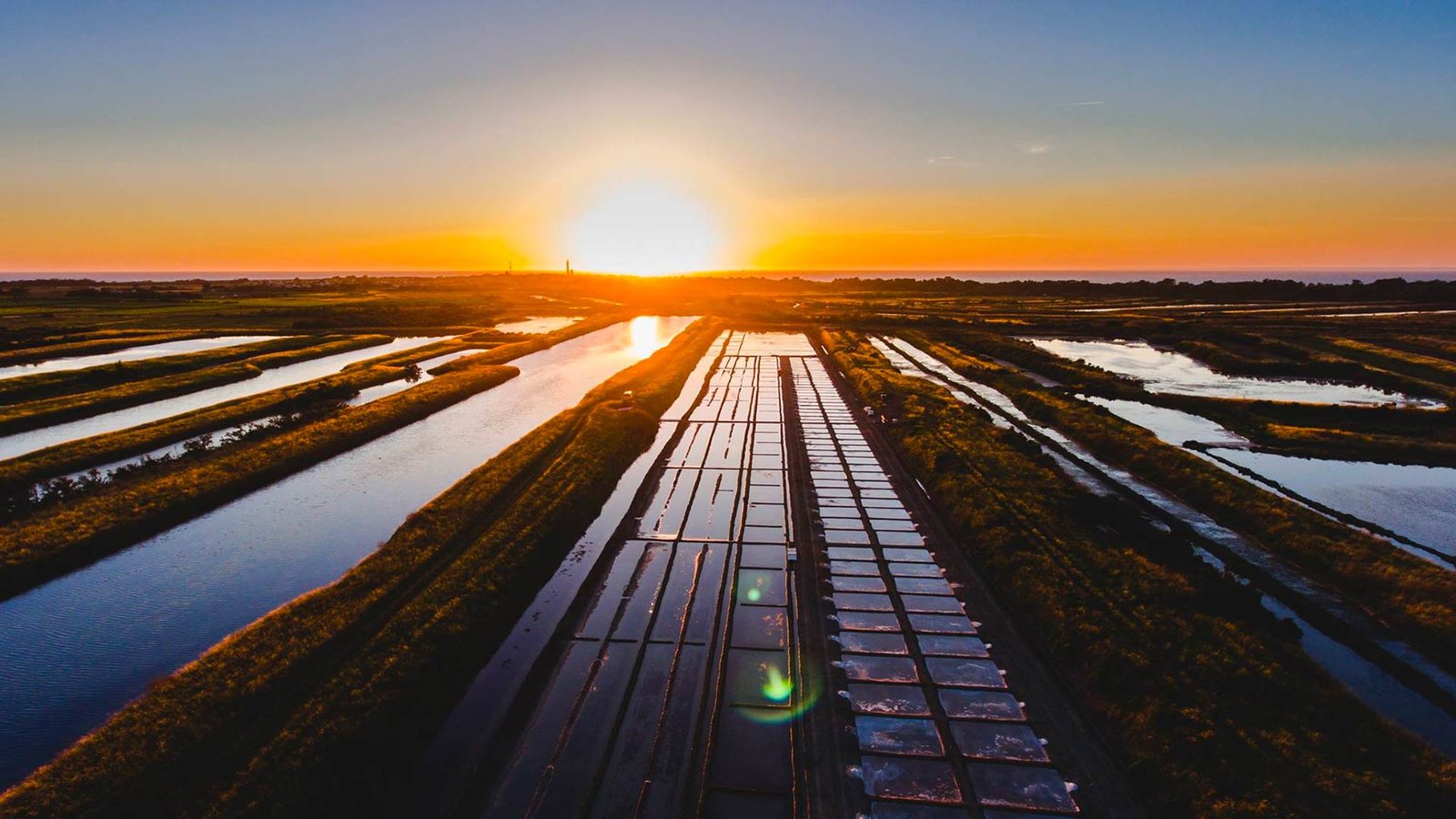
The first marshes of the island of Re would have been created in the 12th and 13th century at the instigation of St. Michael Religious in Herm, then lords of Ars islands and Loix. The archives were destroyed during the religious wars, the first traces of marsh officially back to the last quarter of the 15th century. The swamps have been reclaimed from the sea by a containment system that traps silt deposits and mud. The extension of these outlets continue to lead in the 19th century to around 1500 hectares of salt-conquered territories on the marine area, 18% of the surface of the island.
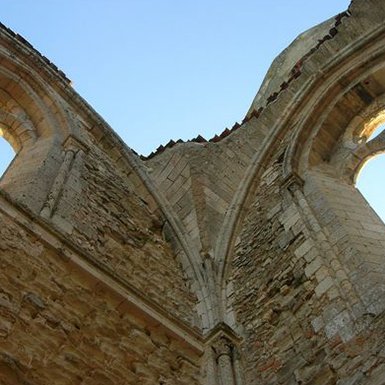
SALT AND TRADE
The Ré Island smallness would have been enough to meet the needs of the people who lived there, had there been the vine in the eastern half of the island and the sea with fishing and the salt trade. Salt indispensable part of food and the best conservative in the Middle Ages was one of the most important commodities of maritime traffic. Indeed, the island of Ré was naturally a place of call for ships that lined the Atlantic coast, and had become during the 13th century the usual route traffic wines of Aunis north.
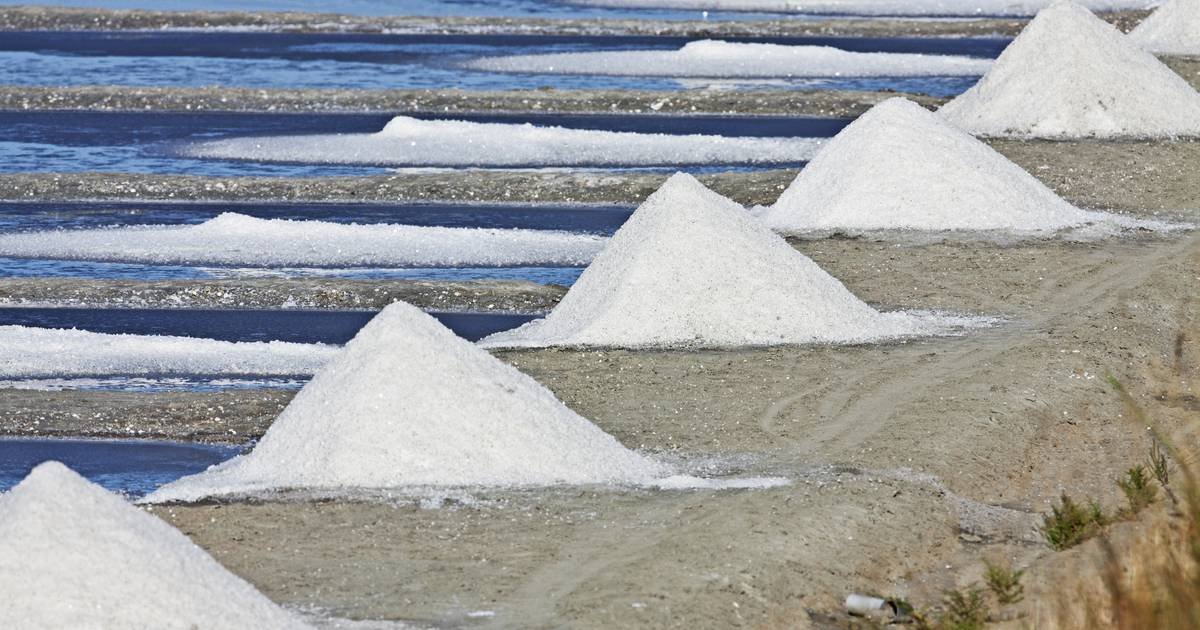
SALT AND RÉTAIS
Over a third of Réthais who lived in the early 20th century were salt workers. These were grouped on Ars Loix Gates, St. Clement and Couarde. Those who did not produce the salt, citizens, sailors and merchants, drew their main resources of its business by owning respectively, transporters and traders. The number of 1905 to 1944 sauniers illustrates the decrease in activity: you go from 316 to 48 salt workers only. The last farmers have an average age of 63 years. This activity supplanted by less random and seasonal such as farming, oyster farming and tourism. It is by seeing the decline of this activity, which for centuries was the heart of island life as the Friends of the salt marsh s’
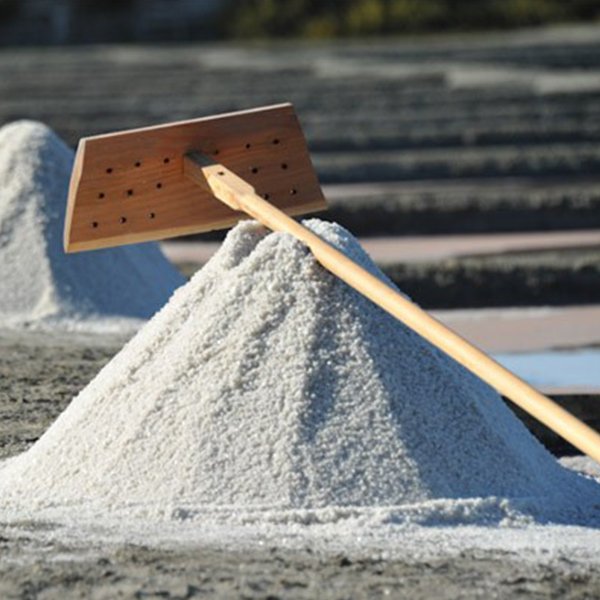
SALT AND GABELLE
The salt tax, tax on salt (too late abolished on 1 January 1946) and the temperate climate made the French Atlantic salt less competitive than the Portuguese or Spanish salt. From 1844 to 1846, harvests have been zero, fishermen had ministerial approval to refuel in Portugal. At the same time, the development of rail transport facilitated the circulation of a salt that no longer depended on time: rock salt or salt mine. It amounts to 0,40F per kilo in 1818, Louis XVIII returns to the 0,30F in 1814, the Second Republic made the drop to 0,10F, then it goes back to 0,60F in 1926 and finally to 1 , 34F in 1944.
CULTURE AND THE HARVEST
The water circulation and evaporation in the salt marsh. The salt marsh is in reality a large solar evaporator or “wind and sun” combined will allow us to evaporate water sea.The sea salt will be harvested only in saunantes areas where water reaches a salinity order of 260 gms per liter.